Wednesday, July 1 2026

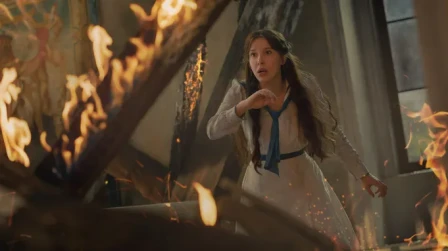
"Enola Holmes 3 Review: Fun but Forgettable, Millie Bobby Brown Returns for Another Case"

When audiences first met Enola Holmes in Netflix’s 2020 hit, she was a fresh-faced teenage detective—brilliant yet inexperienced in deduction. Fast forward to Enola Holmes 3, the second sequel with an admittedly unimaginative title, and Enola has matured into a seasoned sleuth capable of challenging even her famous brother, Sherlock Holmes.

In this installment, Enola, played once again by Millie Bobby Brown, is preparing for a major life event: her wedding to the charming Tewkesbury (Louis Partridge), who has recently inherited the title of Lord. The setting for this nuptial is Malta, adding an exotic flair to the story.

However, as with any Holmes, tranquility never lasts. The plot quickly plunges into mystery when Sherlock (Henry Cavill) is kidnapped, soon followed by the abduction of Enola’s future mother-in-law, Lady Tewkesbury (Hattie Morahan). Enola must navigate these intertwined cases, with help from the dependable Dr. Watson (Himesh Patel). And if you suspect the cunning Moriarty (Sharon Duncan-Brewster) is behind the chaos, you’re right on target—her involvement is as inevitable as it is menacing.

Director Philip Barantini, new to the series, sets a brisk pace right from the start. One memorable early scene features Enola fearlessly confronting a highwayman while wearing her white wedding dress—a bold, action-packed moment that establishes her as a formidable force. This scene, where she climbs atop a carriage and aims a shotgun at the pursuer, signals the film’s blend of action and detective work reminiscent of the Robert Downey Jr. Sherlock Holmes movies.

The film continues with more thrilling sequences, including a horseback chase and a violent fistfight with the female antagonist, underscoring Enola’s growth from a novice to a capable, resourceful heroine.

Despite these exciting moments and strong performances, Enola Holmes 3 struggles to leave a lasting impression. The plot, while engaging, follows familiar tropes and predictable twists, making the film enjoyable but ultimately forgettable within the crowded universe of detective stories.

In summary, this Netflix threequel offers a fun adventure with plenty of action and a charming lead in Millie Bobby Brown. Yet, it plays it safe, delivering a story that entertains without truly challenging or surprising its audience. For fans of the franchise, it’s a welcome continuation; for others, it may feel like business as usual.

MOVIES DOWNLOAD NOW

Tuesday, June 30 2026

"Minions & Monsters Review: Whimsical and Cinephilic, But Not Always on Point"

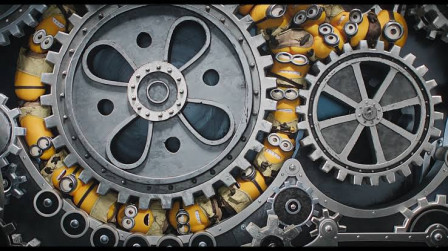
The Minions have long been beloved characters within the Despicable Me franchise, which holds the title of the highest-grossing animated film series ever. Yet, despite their popularity, they have rarely received much critical acclaim. Their newest adventure, Minions & Monsters, marks the seventh film in the franchise and notably casts the Minions as Hollywood sensations, conquering the big screen in their own right.

Interestingly, this film may blur the lines between fiction and reality, as it stands out as the smartest and funniest Minions movie to date—at least for much of its runtime.

Creative Vision and Direction

Directed solo for the first time by Pierre Coffin, co-creator of the Minions, and co-written with veteran Minions scribe Brian Lynch, the film serves as a heartfelt love letter to the golden age of Hollywood. It doesn’t focus on contemporary Tinseltown but instead transports viewers to the early days of filmmaking. This affection is evident right from the start, with a nostalgic montage showcasing the evolution of the Universal Pictures logo from its inception to the present day.

One of the film’s clever touches includes inserting the Minions into historical footage, Zelig-style, alongside pioneers like Muybridge and the Lumiere brothers, blending animation with cinematic history in a playful tribute.

Story and Structure

The narrative revolves around a framing device set in a Hollywood museum, where an enthusiastic guide played by Allison Janney laments the ignorance of young tourists who do not recognize the Minions' pivotal role in film history. This sequence cleverly allows for a humorous cameo from none other than George Lucas, a highlight that blends humor with reverence.

From there, the story flashes back to the Minions’ frantic quest for a new evil master. Along the way, they face chaotic encounters, including a near-fatal run-in with a giant cyclops. Their journey ultimately leads them to early Hollywood, where they inadvertently disrupt the filmmaking of Max, a character played by Christoph Waltz who embodies the European émigré directors who helped shape the industry.

Strengths

The film’s affection for classic cinema shines through its inventive storytelling and visual gags. The blending of historical references with Minions' trademark silliness creates a unique charm that appeals to both kids and cinephiles. The voice cast, including Janney and Waltz, adds depth and humor, grounding the film’s zaniness with strong performances.

Where It Falters

However, while the first two acts sparkle with wit and heart, the film’s momentum falters as it progresses. The humor and narrative drive, initially sharp and engaging, begin to lose steam, leading to moments where the film feels less inspired and more like it’s coasting on past successes. This unevenness prevents Minions & Monsters from fully capitalizing on its promising premise.

Conclusion

Overall, Minions & Monsters stands out as a clever, affectionate homage to Hollywood’s early days, packed with the silly chaos and cinematic love that fans expect from the Minions. Yet, this is tempered by a gradual decline in energy and originality that keeps the film from reaching its full potential.

For fans of the franchise and those with a fondness for classic cinema, the film offers plenty to enjoy—especially in its playful historical references and standout voice performances. But for others, the uneven pacing may make the experience feel less magical by the end.

In essence, Minions & Monsters is a delightful romp until it isn’t, balancing fun and cinephilia in a way that’s both entertaining and, at times, frustrating.

MOVIES DOWNLOAD NOW

Monday, June 29 2026

"Lucky Strike Review: A Derivative WWII Tale with Strong Performances"


Bad movies come in many forms, but the most intriguing ones are those that closely resemble the good versions of their genres. These films often have solid production values and confidently embrace the well-worn tropes that have proven successful before. They look and feel like they should work—they walk like ducks and talk like ducks—but somehow, they just aren’t the real thing. Lucky Strike fits squarely into this category.

Set during the Battle of the Bulge in World War II, this action thriller ticks many of the boxes I usually appreciate in war films. It features several well-crafted set pieces that balance large-scale explosions with tense, intimate combat scenes. The cinematography often aims to immerse viewers in the protagonist’s perspective, capturing the immediacy and peril of surviving successive trials on the battlefield.

The filmmakers made a thoughtful choice to keep the German and French dialogue untranslated, enhancing authenticity. They also cast actors capable of convincingly speaking those languages, which should have deepened the immersion and realism.

Despite these strengths, Lucky Strike feels strangely off. It’s overwhelmingly familiar—almost like a costume party where everyone has dressed up as a WWII movie. This sense of artificiality is the film’s Achilles’ heel.

Watching it, I was reminded of what all period filmmaking entails. Anyone who’s seen an unofficial behind-the-scenes set photo knows the challenge: recreating a past era convincingly is difficult, and it requires a kind of movie magic to make the audience suspend disbelief fully. Unfortunately, Lucky Strike lacks this magic. The film never quite transcends its status as a reenactment. It feels more like a collection of carefully curated images and scenes than a living, breathing story.

This absence of genuine atmosphere and emotional engagement makes the viewing experience dull despite the intellectual interest in diagnosing the film’s shortcomings. You find yourself observing the mechanics of the movie rather than being drawn into its world.

Ultimately, Lucky Strike is a case study in how good intentions and technical competence don’t always translate into compelling storytelling. It has the look and sound of a decent WWII action movie, but it lacks the soul and spark that make such films memorable.

This film reminds us that beyond visuals and genre conventions, a movie needs authenticity in its emotion and storytelling to truly resonate. Without that, even the best-crafted scenes can feel hollow, leaving audiences somewhat disengaged.

While this might appeal to hardcore fans of the genre looking for familiar beats, for many viewers, it will feel like a missed opportunity—an echo of the great WWII films that came before it, but not quite their equal.

MOVIES DOWNLOAD NOW

Sunday, June 28 2026

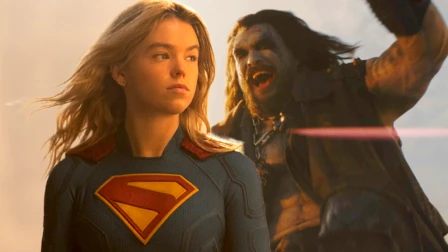
"Supergirl Review: Milly Alcock’s Punk Vibe and Jason Momoa’s Edge Can’t Save DC’s Stuck Flight"

In the upcoming Supergirl installment, audiences will see Kara Zor-El, played by Milly Alcock, join forces with the mercenary Lobo, portrayed by Jason Momoa. This pairing marks a significant moment in the expanding DC Universe overseen by James Gunn and Peter Safran, who have been redefining DC’s superhero landscape with interconnected storylines and layered character arcs.

Plot and Stakes

The narrative centers around Kara’s mission to confront the villainous Krem of the Yellow Hills and a dangerous group of space pirates known as the Brigands. These antagonists pose a formidable threat not just to Kara but to the wider universe she protects. The stakes are further heightened by Kara’s desperate goal to save her beloved super-dog, Krypto, whose life hangs in the balance. This personal motivation adds emotional depth to Kara’s fight, making her struggle more relatable and urgent.

Character Dynamics

The team-up with Lobo adds a fresh dynamic to the story. Lobo, known as DC’s rough-and-tumble antihero who embodies a bad-boy energy reminiscent of Wolverine from Marvel, brings a gritty edge to the series. Jason Momoa’s portrayal promises to deliver that characteristic mix of chaotic charm and raw power, setting up an intriguing contrast with Milly Alcock’s portrayal of Kara, who blends youthful determination with her own brand of strength.

Shared Universe and Continuity

Supergirl’s story is part of a larger, cohesive universe crafted by Gunn and Safran, ensuring that events and characters connect across films. Kara’s journey won’t end with this chapter – it’s confirmed that Supergirl will appear next in Man of Tomorrow, a follow-up to the 2025 Superman film directed by Gunn. This continuity underlines the long-term vision for these characters and cements Kara’s role as a central figure in the DC cinematic universe.

Lobo’s Future

While there’s no official confirmation about Lobo’s next appearances, the character holds promise beyond this one-off role. Jason Momoa has shared that playing Lobo was a dream role for him, underscoring the actor’s enthusiasm and commitment. Given Momoa’s star power and the character’s popularity in comics, it seems likely that Lobo will return, potentially becoming a recurring antihero or wild card in the DC Universe.

Future Villains and Storylines

ComicBook.com asked both Alcock and Momoa about which villains or challenges they’d like their characters to face next. Though no official storylines have been announced, the possibilities are vast within the DC lore.

  • For Kara, potential future adversaries include iconic foes like Darkseid, the tyrannical ruler of Apokolips, who is a frequent threat in Superman-related stories.

  • Other notable villains such as Brainiac, a cold, calculating alien intelligence, or General Zod, a fellow Kryptonian with personal ties and ideological conflicts, could provide compelling conflicts.

  • The Brigands and Krem of the Yellow Hills set a foundation for space-bound adventures, suggesting that future stories might explore cosmic and intergalactic threats.

  • For Lobo, his comic history is filled with anarchic and brutal escapades. He could face off against other DC antiheroes or villains, or even clash with cosmic entities, tapping into his mercenary roots and penchant for chaos.

Character Growth and Interactions

Beyond battles, these stories explore themes of identity, morality, and alliance. Kara’s journey as Supergirl is not just about fighting evil but also understanding her place in a larger cosmos and balancing her human emotions with her Kryptonian powers. Lobo’s character, often a lone wolf, might find unexpected camaraderie or conflict working alongside Kara, adding layers to his usual narrative of rebellion and self-interest.

Expanding the DC Universe

This chapter of Supergirl is key in strengthening the shared universe’s narrative threads, tying in with upcoming films and possibly TV projects. It embodies the current DC strategy of blending high-stakes action with character-driven storytelling, aiming to captivate both long-time fans and newcomers.

Behind the Scenes

James Gunn and Peter Safran’s involvement signals a commitment to quality and interconnected storytelling. Their work on other DC properties has been praised for revitalizing characters and introducing fresh tones, which bodes well for Supergirl’s evolution.

Conclusion

In summary, the new Supergirl promises action, emotional stakes, and intriguing character dynamics, especially with the addition of Lobo. As part of a growing DC Universe, the story sets up future adventures and conflicts that fans can look forward to. With Kara’s determination and Lobo’s chaotic flair, this caped caper is poised to be an exciting chapter, even as it hints at more complex battles and alliances to come.

MOVIES DOWNLOAD NOW

Monday, June 22 2026

“The Get Out” Review: Russell Crowe Delivers an Enjoyably Over-the-Top Performance as an Albanian Nightclub Owner in a Comic Neo-Noir Mashup

There’s an old saying that inside every comedian lies a budding dramatic actor, but Russell Crowe seems eager to turn that notion on its head. The Oscar-winning actor, recently praised for his serious portrayal of Hermann Göring in Nuremberg, has been delighting audiences by embracing his comedic chops in recent roles like The Nice Guys and The Pope’s Exorcist. Now, in The Get Out, a comic neo-noir thriller directed by Derrick Borte—who previously collaborated with Crowe on the much darker Unhinged—Crowe plays an aging Albanian nightclub owner with a charm and wit that keep the film entertaining even when the script falters.

Set in a version of Los Angeles that’s actually filmed on Australia’s Gold Coast—a nod perhaps to the rising costs of shooting in L.A.—the story centers on Manco Kapac (Crowe), who introduces himself with deadpan voiceover narration. “It’s a good job, but long hours,” he muses about running a nightclub in Koreatown, subtly hinting at his plans to retire. From the outset, Crowe’s performance shines, blending a grizzled toughness with an endearing, almost self-aware ridiculousness that elevates the film’s playful neo-noir vibe.

While the material occasionally stumbles, relying on familiar genre tropes and uneven pacing, Crowe’s magnetic presence and comic timing keep viewers engaged. His portrayal of Manco transforms what could have been a stock character into a memorable figure who navigates the shadowy nightclub scene with both swagger and a touch of vulnerability. The Get Out may not reinvent noir, but with Crowe at its center, it delivers a spirited, tongue-in-cheek homage that’s as enjoyable for its humor as for its nods to classic crime thrillers.

MOVIES DOWNLOAD NOW

Saturday, June 20 2026

“Girls Like Girls” Review: Hayley Kiyoko’s Confident Feature Debut Brilliantly Captures the Exhilaration and Heartbreak of First Love

Hayley Kiyoko’s feature debut, Girls Like Girls, draws inspiration from her 2015 song of the same name, yet the story it tells feels timeless rather than groundbreaking. At its core, it’s a familiar tale—the blossoming attraction between two teenage girls—delivered through a straightforward, intimate style filled with sunlit close-ups. While the film doesn’t revolutionize storytelling or filmmaking techniques, it captures the essence of first love so authentically that the familiar becomes unexpectedly profound.

The narrative is refreshingly simple, almost minimalistic, focusing on moments rather than plot twists. Set in the summer of 2006 in a small Pacific Northwest town—likely Oregon, though subtle visual clues hint at Canada, where the film was shot—it follows Coley (Maya da Costa), a shy, melancholic girl adjusting to life with her dad (Zach Braff’s Curtis) on the town’s outskirts. Coley’s world brightens when she meets Sonya (Myra Molloy), a vivacious, girly girl firmly rooted in the popular crowd.

Despite their contrasting personalities, the connection between Coley and Sonya sparks immediately. They spend their days biking along tree-lined streets, splashing in Sonya’s pool, and giving each other playful makeovers, while their nights are filled with deep, late-night conversations from their separate bedrooms. The meticulous production design by Lindsey Moran brilliantly evokes the mid-2000s teenage experience, from the subtle details of a convenience store sign to the nostalgic sound of AOL Instant Messenger’s signature “bloop” ringing from Coley’s old computer—transporting viewers back to a time when the digital world was smaller, slower, and full of possibility.

Though Girls Like Girls may not surprise with its narrative or style, it shines in its heartfelt portrayal of discovery, vulnerability, and the exhilarating confusion of young love—making the universal feel intimate and new once again.

Thursday, June 18 2026

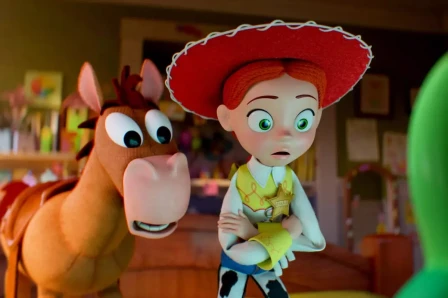
“Toy Story 5” Review: Joan Cusack’s Cowgirl Jessie Shines in a Heartwarming Tale Celebrating the Joy of Physical Play Over Screen Time

After an 11-year hiatus from the Hollywood spotlight to focus on family, Joan Cusack makes a triumphant return as the voice of Jessie the cowgirl in Toy Story 5. This installment boldly places Jessie front and center, casting her as the trail boss leading the beloved ensemble—including Woody (Tom Hanks), Buzz Lightyear (Tim Allen), and their friends—into a new and heartfelt adventure. The story unfolds three years after Toy Story 4, focusing on Bonnie (now voiced by Scarlett Spears), who, at eight years old, struggles to connect with her peers. Unlike most children her age, who are absorbed in screens and digital devices, Bonnie still cherishes traditional toys, highlighting the film’s timely exploration of the tension between physical play and technology.

A fresh character, Blaze—an animal-loving young girl voiced by Mykal-Michelle Harris—joins the narrative, bringing new energy and friendship into Bonnie’s world. Standing in opposition is Lilypad, a frog-shaped smart tablet voiced by Greta Lee, serving as both antagonist and symbol of the screen-obsessed culture that isolates Bonnie from other children. With this setup, Toy Story 5 delivers a gentle yet resonant message about the value of imaginative, hands-on play in an increasingly digital age.

The film also features a new original song by Taylor Swift, elevating the emotional resonance and celebrating themes of girlhood and growth. This sequel invites audiences to embrace the joys of creativity and connection, both timeless and urgently needed in today’s world.

The production background adds layers of meaning: Tom Hanks, who famously became emotional while recording Toy Story 4, once believed that film would mark the end of Woody’s story. Quentin Tarantino praised the first three films as a perfect trilogy, wary that further sequels might simply cash in on the franchise’s success. Yet Toy Story 5 defies such cynicism, guided by Andrew Stanton—original story developer and co-writer of every Toy Story film—who makes his directorial debut in the series. Stanton brings a fresh, female perspective to the narrative, expanding Bonnie’s world beyond her previous backstory of abandonment and turning it into a hopeful, heartwarming tale.

Co-writer Kenna Harris contributes invaluable insight as a member of the tech-savvy generation, enhancing the story’s authenticity and relevance. Bonnie’s evolution from the shy kindergartener of Toy Story 4 to a hesitant grade-schooler struggling to make friends amid a sea of tech-addicted kids is portrayed with sensitivity and nuance. The film captures the bittersweet reality many children face today, balancing nostalgia for tangible playthings with the realities of digital life.

In all, Toy Story 5 rides into theaters with a beautifully crafted message about friendship, courage, and the enduring magic of physical play—an essential lesson for children and adults alike in our screen-dominated era.

MOVIES DOWNLOAD NOW

Monday, June 15 2026

“The Death of Robin Hood”: Hugh Jackman and Co. Struggle in A24’s Somber Revisionist Tale

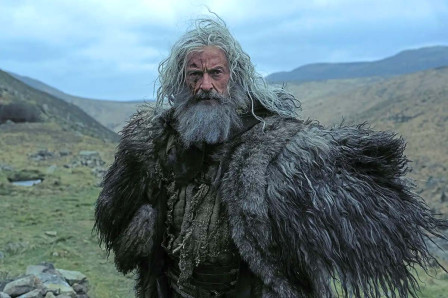
In “The Death of Robin Hood,” Hugh Jackman transforms the iconic outlaw into a figure far removed from the heroic legends that have long captivated audiences. His appearance alone tells a story of decay and isolation—his flowing gray mane and scraggly, unkempt beard give him the appearance of a wild, mythical creature, like a yeti lost in the fog-laden woods of medieval England. This Robin Hood is not the charismatic leader rallying merry men or the charming rogue stealing from the rich for the poor’s sake. Instead, he is a solitary wanderer, a man adrift in the 13th century countryside, engulfed by oppressive mists that mirror his own internal gloom and despair.

Jackman’s Robin carries the heavy burden of disillusionment. The legend he once embodied has been shattered; he knows now that the heroic narrative—of a noble thief championing justice—is a carefully crafted myth. Beneath that public image lies a ruthless and violent man, a criminal whose notoriety was bolstered more by savvy storytelling than by any true altruism. This revelation haunts him, twisting his sense of self and leaving him tormented by the gulf between who he was believed to be and who he truly is.

Despite his desire to abandon his violent past and seek redemption or at least peace, fate intervenes cruelly. His old ally, Little John, played with an unsettling transformation by Bill Skarsgard, emerges from the shadows to drag Robin back into the violent world he longs to escape. Skarsgard’s Little John is no familiar jovial companion but a grim and almost unrecognizable figure, embodying the harsh toll their lives have taken. This reunion sets the stage for one final confrontation—a desperate battle that ends disastrously for Robin, leaving him gravely wounded.

The film then shifts its focus to a quieter, more intimate setting—a remote priory where Robin lies recuperating. Here, the harshness of the outside world contrasts sharply with the calm, compassionate care provided by Sister Brigid, portrayed with a subtle and restrained grace by Jodie Comer. Her presence introduces a fragile humanity to the narrative, a beacon of kindness that seems almost out of place in Robin’s grim reality. The dynamic between the broken outlaw and the gentle nun adds a layer of emotional complexity, exploring themes of forgiveness, vulnerability, and the possibility of mercy even in a world marred by violence.

This iteration of Robin Hood strips away the romanticism and myth, presenting a raw and unvarnished portrait of a man haunted by his past and grappling with the consequences of his actions. The landscape itself—dark, misty, and foreboding—serves as a reflection of Robin’s inner turmoil, emphasizing the bleakness that permeates the film. It’s a radical departure from the traditional tales, focusing less on adventure and heroism and more on the psychological and moral decay of its central character.

Through Jackman’s intense performance and the film’s somber tone, “The Death of Robin Hood” challenges viewers to reconsider the folklore they thought they knew. It forces us to confront uncomfortable questions about the nature of heroism, the stories we tell ourselves, and the fine line between legend and reality. The film’s slow pacing and heavy mood may test patience, but they underscore the director Michael Sarnoski’s intent to deliver a meditation on the cost of violence and the elusive search for redemption in a merciless world.

In this bleak retelling, there are no easy answers or triumphant victories—only the slow, painful unraveling of a man who once wore the mantle of a hero but now faces the harsh truth of his own mortality and moral ambiguity. The film’s atmosphere, performances, and narrative choices come together to create a haunting exploration of legacy, identity, and the shadows cast by history’s legends.

MOVIES DOWNLOAD NOW

Friday, June 12 2026

“The Revisionist” Review: Alison Brie and Dustin Hoffman Shine in an Otherwise Weak Story

Movies centered on writers often face a unique cinematic hurdle: How do you visually and narratively sustain interest when much of the story involves the internal struggles of a character wrestling with blank pages or creative blocks? While films like Capote found dramatic tension through an external true-crime investigation, such compelling hooks are rare in writer-centric dramas.

Alex Vlack’s The Revisionist, which premiered at Tribeca, takes on this challenge head-on by presenting not one but four main characters who are either established or aspiring writers. This ambitious ensemble approach offers variety, but despite the talented cast, the film’s narrative momentum frequently falters. The story unfolds through conversations and verbal exchanges, with few moments of cinematic flair to invigorate the drama. While it never quite drifts into boredom, it often feels like a long, meandering literary salon rather than a gripping cinematic experience.

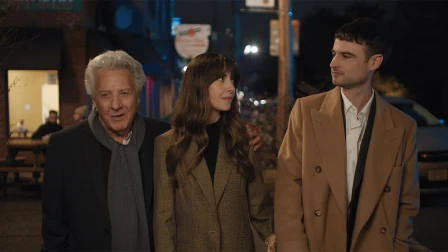
The film introduces us first to John (André Holland) and Jacob (Tom Sturridge), old friends who unexpectedly reunite after a prolonged separation. Jacob is married to Elise (Alison Brie), a novelist struggling with her latest manuscript and grappling with the pressures from her persistent literary agent. Adding complexity to their intertwined lives is Jacob’s father, David (Dustin Hoffman), a once-celebrated author who has not produced new work for decades but whose life story might hold the key to a lucrative tell-all biography. Both John and Jacob contemplate mining David’s past for a bestseller, setting the stage for familial and creative tensions.

While the premise promises layered interpersonal conflict and the exploration of artistic ambition, much of the film’s drama remains confined to dialogue-heavy scenes. The characters’ revelations, particularly concerning family history and creative frustrations, offer moments of insight but often feel drawn out, testing the viewer’s patience even within the relatively brief 90-minute runtime. The pacing struggles to maintain engagement, leaving the film’s potential only partially realized.

Fortunately, the cast’s performances provide much-needed depth and appeal. André Holland consistently captivates with his nuanced presence, bringing grounded authenticity to John’s character. Alison Brie, known for her versatility, delivers a strong performance but is hampered by the script’s demands, which paint Elise as arguably the least empathetic among the quartet. Her character’s abrasive and sometimes self-centered behavior can alienate the audience, detracting from the emotional core the film aims to establish.

Tom Sturridge’s portrayal of Jacob is notable yet uneven, particularly in his fluctuating accent. His attempts at an American accent early on give way inexplicably to a British one in the film’s final scenes, an inconsistency that distracts from character immersion. Dustin Hoffman, a legendary figure in cinema, imbues David with a dignified weariness, embodying the struggles of a once-great writer now grappling with creative silence.

Ultimately, The Revisionist is a film buoyed by a strong ensemble cast but weighed down by a script that struggles to balance introspection with engaging storytelling. It offers thoughtful reflections on artistry, family, and ambition, but these themes unfold in a manner that can feel static and overly talkative. For viewers intrigued by the lives of writers and the complexities of creative legacies, it offers moments of interest, though its impact is softened by narrative pacing and character dynamics that don’t always connect.

Monday, June 8 2026

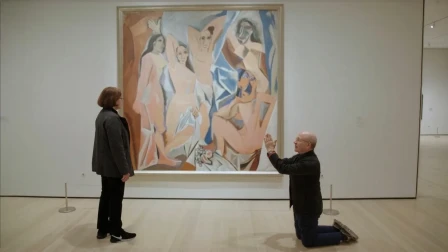
“House of Criticism” Review: Jerry Saltz and Roberta Smith’s Sweet and Insightful Documentary Romance


They say no statue has ever been built in honor of a critic—a claim often attributed, though dubiously, to Jean Sibelius. It’s a charming myth, but untrue. Take Roger Ebert, for example: a bronze statue of the beloved film critic stands proudly in Champaign, Illinois, celebrating a life dedicated to thoughtful critique. Yet beyond such rare tributes, critics rarely receive the artistic respect they deserve.

What most critics yearn for isn’t a monument, but a work of art that truly honors the spirit of criticism itself. Steve James’ 2014 documentary Life Itself, a heartfelt homage to Ebert, achieved just that. Now, Alison Chernick’s House of Criticism boldly steps into this niche, offering a fresh and intimate portrait—not of a solitary critic, but of a remarkable duo.

Jerry Saltz, the outspoken art critic from New York Magazine, and Roberta Smith, the measured co-chief art critic at The New York Times, have been partners in both life and art criticism since 1992. Together, they navigate the vibrant and often contentious world of contemporary art, their relationship a sincerely sweet and intellectually sharp love story that unfolds through the documentary’s thoughtful lens.

House of Criticism isn’t just a film about art critics—it’s a celebration of the passion, insight, and humanity behind the words that shape how we see art and the world around us.

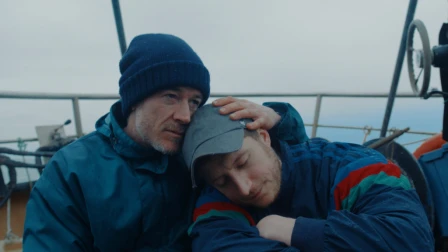
“On the Sea” Review: A Poignant Queer Love Story Amidst a Hyper-Masculine Welsh Fishing Village

On the Sea situates itself within a well-established tradition of queer cinema that explores the intimate struggles of working-class men grappling with repressed desires. From Brokeback Mountain’s cowboys to God’s Own Country’s farmers, these narratives have carved out a poignant space in film. Yet, writer-director Helen Walsh’s On the Sea brings a fresh perspective by anchoring its story in a lesser-seen setting: a tight-knit, hyper-masculine Welsh fishing community.

The film follows Jack (Barry Ward), a middle-aged fisherman who runs a modest mussel business alongside his younger brother Dyfan (Celyn Jones). Jack’s life is steeped in tradition—married to his childhood sweetheart Maggie (Liz White) and hoping his teenage son Tom (Henry Lawfull) will inherit the family trade. However, Jack’s world begins to shift when Daniel (Lorne MacFadyen), a charismatic young drifter and fisherman, arrives in town. Jack’s growing attraction to Daniel forces him to confront long-suppressed feelings and the rigid expectations of his community.

What sets On the Sea apart is its evocative sense of place. The rugged Welsh coastline and small-town atmosphere enrich the narrative with authenticity rarely seen in queer dramas set in Wales. The community’s conservative, often regressive attitudes are embodied by Dyfan, whose resistance to change highlights the social pressures Jack must navigate. Moreover, Jack’s middle-aged perspective offers a mature, nuanced take on queer desire, distinguishing the film from many others focused on youthful protagonists.

Barry Ward’s portrayal of Jack is a standout, balancing vulnerability and quiet strength with remarkable subtlety. His performance captures the loneliness and yearning of a man caught between duty and desire. Moments of joy shimmer through his restrained expressions—the soft smile when Daniel appears over a hill, the gentle touch shared between the two men—illuminating Jack’s tentative steps toward self-acceptance. Ward’s nuanced work anchors the film’s emotional core, making Jack’s journey deeply resonant.

Lorne MacFadyen complements Ward beautifully as Daniel, his charm and authenticity providing a believable and compelling counterpoint. The chemistry between the two actors breathes life into their romance, making it both tender and believable. The supporting cast, including Liz White’s impassioned Maggie and Celyn Jones’ staunch Dyfan, add further texture to the community’s complex dynamics.

However, On the Sea does falter slightly in its final act. As the narrative shifts focus away from Jack and Daniel, the film loses some of its previously established rhythm. Despite this, the concluding chapters embrace the film’s underlying sadness with unflinching honesty, capturing the emotional weight of living authentically in a world that often denies such freedom. This rawness may prove challenging for some viewers, yet beneath the surface lies a quietly uplifting message about courage, identity, and the human spirit.

Ultimately, On the Sea is a tender, piercingly observed addition to queer cinema. It reminds us that the journey to living one’s truth can come at any age—and that it is always worth the struggle. As Jack’s story unfolds, the film leaves us with a heartrending affirmation: it’s far better to embrace who we are late than never at all.

MOVIES DOWNLOAD NOW

Wednesday, June 3 2026

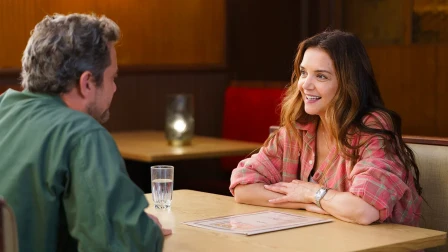
“Happy Hours” Review: Katie Holmes and Joshua Jackson Reunite, but Charm Falls Short

For fans of Dawson’s CreekHappy Hours offers a heavy dose of nostalgia, reuniting Katie Holmes and Joshua Jackson in a romantic drama that showcases their enduring on-screen chemistry and effortless middle-age charm. Holmes not only stars but also writes and directs, making this a deeply personal project. Yet despite the warmth between the leads, the film struggles under the weight of contrived characters and forced situations that often leave viewers shaking their heads in disbelief.

Right from the start, the film signals its lofty ambitions with an onscreen quote from philosopher Alan Watts. This is only the beginning of Holmes’ attempts to infuse the story with intellectual gravitas, further emphasized by nods to poets Neruda and Rilke. However, these literary shout-outs mingle awkwardly with a Woody Allen-esque sensibility, making the film feel more like an homage than an original voice.

Set amidst the iconic and picturesque streets of Manhattan—from the lush expanses of Central Park to the bustling corners of Chinatown—the film uses its locations as a character in their own right. The city’s recognizable landmarks add visual appeal, though the backdrop sometimes feels like a postcard rather than a lived-in world.

Holmes portrays Liz, a recently divorced photojournalist who’s turned her back on celebrity culture in favor of capturing authentic moments of everyday life. Her new passion to photograph real people, despite the frustration of her pragmatic agent (Constance Wu), paints her as a romantic idealist navigating a city seemingly infected with a “love virus,” where couples’ affection pops up incessantly around every corner.

The plot thickens when Liz discovers a familiar face in the background of one of her photographs—her former flame Andrew, played by Jackson. Andrew is no ordinary travel writer; he’s the serious, contemplative type, promoting a vision of travel rooted in “global experiences expressed through local conversation.” This sets up a reunion steeped in reflection, longing, and emotional complexity.

Despite the promise of rekindled romance and poignant self-discovery, Happy Hours often veers into territory so staged and unnatural that it undercuts the genuine chemistry between Holmes and Jackson. The result is a film that might charm its nostalgic audience but will likely provoke more eye rolls than heartfelt sighs.